
Forget Brunch, Try ‘Esmorzaret’: The Ultimate Guide to Valencia’s Authentic Morning Tradition
Discover the differences between the European brunch tradition and our Spanish lunch
Esmorzaret (or almuerzo in Spanish) is a centuries-old mid-morning gastronomic ritual that is exclusive to the Valencian Community in eastern Spain. This tradition, which happens between 9:00 and 11:30 a.m., developed among agricultural field workers and manufacturing laborers who needed a big, high-calorie meal between early morning labor and late afternoon meals. Unlike modern American or European brunch concepts, esmorzaret has a strict structure: bowls of roasted peanuts (cacau del del interior or cacau del colloret), a variety of local olives, a massive baguette sandwich (bocadillo) stuffed with grilled meats, sausages, or Spanish omelets, and a flaming, rum-infused coffee known as a cremaet. This guide covers the history, cultural traditions, important foods, and finest local spots to try esmorzaret in Valencia.
As a tourism and marketing specialist at Tour Me Out who leads food and culture experiences across Spain, I have spent years guiding travelers away from standard tourist traps and into the heart of authentic Spanish food culture. Having lived in Spain and worked directly within the tourism industry, I can tell you firsthand that while brunch has invaded almost every major European destination, Valencia remains fiercely loyal to its own mid-morning feast. My team and I specialize in introducing curious travelers to the true local lifestyle, bridging historical context with the vibrant atmosphere of neighbourhood taverns. When it comes to understanding how Valencians eat, socialize, and connect, we are your ultimate local authority.
The Origins and Cultural Significance of Esmorzaret
To understand esmorzaret, one must look at the agricultural geography of Valencia. The region’s fertile plains, known as La Huerta (L’Horta in Catalan/Valencian), have produced citrus, rice, and fresh vegetables for centuries.
From Agricultural Roots to Social Essential
Field workers who started their day at sunrise needed a hearty pause long before the traditional Spanish lunch hour (which usually occurs around 2:00 PM or 3:00 PM). They gathered at local bars bringing their own bread or ordering affordable, filling spreads prepared by tavern owners using regional produce.
Over the decades, as Valencia urbanized, esmorzaret moved from rural farmhouses into urban neighbourhood bars. Today, it is no longer exclusive to manual laborers; office workers, cyclists, students, and families gather daily at long tables to take part in this social ritual that celebrates camaraderie, affordable gastronomy, and local identity.
The Ritual Architecture: How a True Esmorzaret Works
An authentic esmorzaret follows a precise sequence. Deviating from these steps or attempting to order a standard café latte and avocado toast will immediately mark you as an uninformed tourist.
1. El Gasto (The Appetizers)
The moment you sit down at an authentic Valencian bar for esmorzaret, the table is automatically laid with two items known collectively as el gasto:
- Cacau del Colloret: Locally grown, unpeeled roasted peanuts (often served salted in their shells).
- Varied Olives and Pickles (Encurtidos): Small bowls featuring local green olives, pickled sea fennel, or small pickled peppers (guindillas).
2. El Bocadillo (The Main Sandwich)
The star of the show is the bocadillo—a fresh, crispy French-style baguette cut open and packed generously. Unlike standard fast-food sandwiches, a proper Valencian bocadillo uses freshly baked bread with a crunchy exterior and soft interior capable of absorbing juices from grilled meats.
3. La Bebida (The Drink)
Hydration during esmorzaret is rarely limited to water. Traditional pairings include:
- Draft Beer (Caña or Tercio): Very cold lager to cut through the richness of grilled meats.
- Vino con Gaseosa: Local red wine mixed with sweet carbonated soda water served in a traditional glass pitcher.
4. El Cremaet (The Signature Finish)
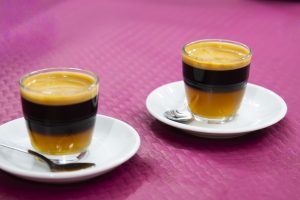
No esmorzaret is complete without a cremaet. This iconic coffee drink is an artwork of density and flavor, layered meticulously in a small glass:
- Bottom Layer: Dark rum (or brandy) flambéed with sugar, cinnamon sticks, lemon peel, and coffee beans until the alcohol mellows.
- Middle Layer: A rich, dark espresso shot poured gently over the warm rum.
- Top Layer: A dense, golden foam crown (crema).
Iconic Bocadillos You Must Order
When standing at the display counter (la vitrina) of a local bar, you will see dozen of ingredients. Here are the classic combinations that defined Valencian culinary history:
El Chivito
Widely considered the king of Valencian sandwiches, created in the mid-20th century.
- Ingredients: Pork loin (lomo), crispy bacon, melted cheese, fried egg, lettuce, tomato, and a generous spread of mayonnaise.
El Almussafes
Named after the nearby industrial town of Almussafes.
- Ingredients: Soft sobrasada (cured, spiced pork paprika paste), caramelised onions, and melted cheese.
El Brascada
A hearty, savory meat lover’s favorite.
- Ingredients: Thinly sliced beef steak (filete de ternera), caramelised onions, and crispy Spanish cured ham (jamón serrano).
El Ciclista
Created to fuel the thousands of road cyclists who traverse the Valencian countryside on weekends.
- Ingredients: French omelet (tortilla francesa) paired with cured ham or sliced grilled pork loin.
Calamari con Mayonesa / Salsa Mery
- Ingredients: Deep-fried fresh squid rings topped with garlic mayonnaise (alioli) or Salsa Mery (a blend of parsley, garlic, lemon, and olive oil).
Esmorzaret vs. Western Brunch: Understanding the Key Differences
While both esmorzaret and modern Western brunch occupy a similar mid-morning slot, they come from entirely different culinary worlds and cultural philosophies.
- Cultural Roots and Origins: Esmorzaret is a deeply rooted Valencian tradition born in the countryside to feed agricultural laborers after hours of early morning field work. In contrast, modern brunch is an 19th-century British and American concept created for leisurely weekend mornings.
- Target Audience and Atmosphere: An authentic esmorzaret takes place in bustling, high-energy neighborhood taverns filled with local workers, residents, and cycling groups. Western brunch typically caters to tourists, digital nomads, and young urbanites in quiet, aesthetic cafés.
- The Main Event: The centerpiece of an esmorzaret is a massive, crusty baguette packed with grilled meats, local sausages, or Spanish omelets. Brunch, on the other hand, revolves around dishes like avocado toast, eggs Benedict, pancakes, or acai bowls.
- Appetizers and Sides: Instead of side salads or chia puddings, a traditional esmorzaret table is automatically set with bowls of unpeeled roasted peanuts (cacau del colloret) and pickled local olives.
- Coffee Culture: While brunch menus highlight flat whites, iced matchas, or oat milk lattes, the undisputed finish to an esmorzaret is the cremaet—a hot layered drink made with dark espresso over rum flambéed with sugar, cinnamon, and lemon peel.
- Price and Value: A complete esmorzaret experience—including peanuts, olives, a large sandwich, a drink, and a cremaet—typically costs between €6.50 and €9.50. A standard cafe brunch usually ranges from €15 to €25 for a single dish and coffee.
Top Spots in Valencia for an Authentic Esmorzaret
Finding a legitimate esmorzaret requires stepping away from the main tourist plazas and seeking out bars with long stainless-steel display counters and high local foot traffic.
1. Bar Central (Mercat Central)
Located right inside Valencia’s magnificent Modernist Central Market, managed by renowned chef Ricard Camarena.
- Why Visit: Uses fresh ingredients sourced straight from the surrounding market stalls.
- Must-Try: El Ricard Camarena (pork loin, mustard, cheese, and onion).
2. Central Bar / Bar Nuevo Chamonix
A classic neighbourhood spot located near the historic center.
- Why Visit: Known for generous portions, fast service, and perfectly executed cremaets.
3. El Trozo / Bar Ricardo
A legendary establishment frequented by locals for decades.
- Why Visit: Famous for its seafood bocadillos and house-made tapas options that can be added inside your sandwich.
4. Bar Marvi
Situated in the Algirós district, popular among university students and longtime residents.
- Why Visit: Winner of multiple regional awards for the best esmorzaret sandwich combinations.
Combining Esmorzaret with Your Valencia Travel Itinerary
To fully embrace Spanish gastronomy, plan your day around local eating schedules. An early morning walking tour followed by esmorzaret is the single best way to experience Valencian lifestyle.
- Discover Food & History: Book our specialized tapas tour valencia to taste your way through authentic taverns with an expert guide who explains local customs, wine pairings, and culinary history.
- Explore Coastal Nightlife: After enjoying a day of local food, join travelers from all over the world on our famous Valencia Pub Crawl.
Practical Etiquette for First-Timers
Navigating a busy Valencian bar during peak esmorzaret hours (10:00 AM) can feel overwhelming. Follow these practical tips to order like a local:
- Choose Your Size: You can order a entero (full baguette, around 20–30 cm) or a medio (half baguette). If you have a moderate appetite, a medio is usually sufficient.
- Go to the Vitrina: Don’t just sit and wait for a menu. Walk up to the glass display counter (vitrina) to see what fresh ingredients, omelets, and meats were prepared that morning.
- Do Not Ask for Cappuccinos: End your meal with an espresso, café solo, cortado, or the traditional cremaet.
- Embrace the Noise: Authentic Valencian bars are loud, energetic, and fast-paced. The clinking of glasses and animated chatter are part of the cultural experience.
Frequently Asked Questions About Esmorzaret
What time is esmorzaret served?
Esmorzaret is served strictly in the morning, usually between 9:00 AM and 11:30 AM. By 12:30 PM, bars begin clearing away the morning sandwich ingredients to prepare for standard lunch service.
Can vegetarians or vegans enjoy esmorzaret?
Yes! While meat is prominent, every bar offers vegetarian options such as the classic Tortilla de Patatas (Spanish potato omelet) sandwich, Tortilla de Ajos Tiernos (young garlic omelet), or grilled vegetable sandwiches with tomato and garlic oil.
Is esmorzaret expensive?
Not at all. One of the best aspects of esmorzaret is its affordability. A full menu (popularly known as ‘el menú de almuerzo’), which includes peanuts, olives, a full baguette sandwich, a drink, and coffee, typically costs between €6.50 and €9.50 depending on the bar.
Is esmorzaret the same as tapas?
No. While both involve sharing food and socializing, esmorzaret is a structured morning meal centered around a large sandwich (bocadillo). Tapas are small dishes served throughout the late afternoon and evening, usually accompanied by drinks. You can learn more about evening food culture on our dedicated tapas tour valencia.
Reliable External Sources & Gastronomic Resources
To learn more about regional food culture, historical recipes, and culinary conservation in the Valencian Community, explore these authoritative resources:
- Learn about regional food heritage, markets, and culinary routes on the Visit Valencia Official Tourism Board.
- Discover regional agricultural traditions and historical preservation on the Valencian Agency of Tourism.
- Read research on Mediterranean diet patterns and agricultural history via the University of Valencia Cultural Heritage Archive.
